Fenugreek Valiant Duel: India’s Beloved Desi Action-Adventure Game
Introduction to Fenugreek Valiant Duel
Fenugreek Valiant Duel (often shortened to FV Duel by fans) is a groundbreaking desi action-adventure mobile game developed exclusively for Indian audiences, blending high-octane combat with rich cultural storytelling. Launched in 2022 by a team of Indian developers in collaboration with Daman Games, the game quickly became a sensation in the Indian mobile gaming market, thanks to its unique fusion of global gaming mechanics and hyper-local Indian elements.
The name “Fenugreek” (known as methi in Hindi) is a deliberate nod to India’s culinary and agricultural heritage, symbolizing growth, resilience, and familiarity—values that resonate deeply with Indian players. “Valiant Duel” captures the game’s core focus on competitive and cooperative combat, where players take on the role of warriors from different Indian states, each with distinct abilities rooted in regional culture and mythology.
Unlike many international games that are merely translated into Hindi, Fenugreek Valiant Duel was built from the ground up with Indian players in mind. From its character designs inspired by folk heroes to its soundtrack featuring classical Indian instruments like the tabla and sitar, every aspect of the game is crafted to create a sense of cultural pride and belonging.
🌟 Fun Fact: The game’s initial beta testing phase in 2021 was limited to 5 Indian cities (Mumbai, Delhi, Bangalore, Chennai, and Kolkata) and received over 2 million sign-ups within 48 hours—setting a record for pre-launch interest in a desi mobile game!
Fenugreek Valiant Duel is available for free download on both Android and iOS devices, with optional in-app purchases for cosmetic items and gameplay boosts. The game’s success lies in its ability to balance accessibility for casual players with depth for hardcore gamers, making it a hit across all age groups in India.
In the following sections, we’ll dive deep into the game’s gameplay mechanics, key features, localization efforts, download statistics, player reviews, exclusive Indian guides, and vibrant community—providing everything you need to know about India’s favorite desi action game.
Gameplay Mechanics of Fenugreek Valiant Duel

At its core, Fenugreek Valiant Duel is a third-person action game that combines fast-paced combat with strategic team play and exploration. The gameplay is designed to be intuitive for mobile users, with a touch-based control system that feels responsive and natural—even during intense battles.
1. Core Game Modes
Fenugreek Valiant Duel offers four primary game modes, each catering to different player preferences:
- Desi Deathmatch (PVP) 🤺: A 5v5 multiplayer mode where two teams battle it out on iconic Indian maps (e.g., Jaipur Fort, Kerala Backwaters, Varanasi Ghats). The goal is to eliminate the opposing team and capture control points, with matches lasting 10-15 minutes. This mode is the most popular among Indian players, with over 60% of daily active users (DAU) choosing it regularly.
- Mythic Quest (PVE) 🗺️: A story-driven mode where players team up with 3 other allies to complete missions based on Indian mythology (e.g., defeating a demon king inspired by Ravana, retrieving a sacred relic from the Himalayas). Each quest features unique boss battles and puzzles rooted in regional folklore, making it both educational and entertaining.
- Regional Rumble (Tournament) 🏆: A competitive mode where players from the same Indian state or region compete against each other for regional bragging rights and exclusive rewards. Tournaments are held weekly, with monthly “Maha Rumbles” offering high-value prizes like smartphones and gift cards from Indian brands (e.g., Flipkart, Zomato).
- Survival Saga (Endless Mode) 🥵: A solo or duo mode where players fight off waves of enemies in a shrinking play area, similar to battle royale games. The twist? Enemies are inspired by Indian mythical creatures (e.g., Rakshasas, Nagas, Yaksas), and the environment changes based on Indian seasons (monsoon, summer, winter) to add variety.
2. Character System: Desi Warriors from Every State
One of the most beloved aspects of Fenugreek Valiant Duel is its diverse roster of playable characters, each representing a different Indian state and equipped with abilities inspired by local culture, history, or mythology. Currently, the game features 36 characters (one for each state and union territory), with new additions added during festival updates.
Each character falls into one of four classes, ensuring balanced team composition:
- Warrior ⚔️: Melee-focused characters with high health and damage. Examples include “Rajput Ranveer” (Rajasthan) wielding a traditional khanda sword and “Tamil Tejas” (Tamil Nadu) using a vishvakarma-inspired axe.
- Mage 🔮: Spellcasters who use elemental powers rooted in Indian traditions. Examples include “Bengali Bhavna” (West Bengal) controlling water magic (inspired by the Ganges) and “Punjabi Parminder” (Punjab) wielding fire powers (symbolizing the harvest festival Lohri).
- Ranger 🏹: Ranged attackers with precision and mobility. Examples include “Kerala Karthik” (Kerala) using a bow made from coconut wood and “Gujarati Gauri” (Gujarat) throwing chakras inspired by traditional Garba dances.
- Support 🩹: Healers and buffers who aid their team. Examples include “Uttar Pradesh Uma” (Uttar Pradesh) using Ayurvedic herbs to heal allies and “Karnataka Kavya” (Karnataka) chanting Vedic mantras to boost team stats.
Characters can be customized with skins, weapons, and accessories that reflect regional fashion—from a Punjabi warrior’s phulkari turban to a Tamil mage’s silk saree. Many of these customization options are unlocked through gameplay or during festival events, encouraging players to engage with the game’s cultural elements.
3. Combat & Controls
The combat system in Fenugreek Valiant Duel is designed to be easy to learn but hard to master—perfect for India’s diverse player base, which includes both casual gamers and competitive esports enthusiasts.
On mobile devices, the left side of the screen features a virtual joystick for movement, while the right side has buttons for basic attacks, special abilities, and dodging. Each character has three unique abilities: two standard skills (with cooldowns) and one ultimate ability (charged by dealing or taking damage).
🎮 Desi Control Tip: Indian players often praise the game’s “Jugaad Control” option, which allows customization of button size and placement—ideal for players with smaller hands or those who prefer a specific layout. This feature was added after beta testing feedback from over 10,000 Indian users!
Combat emphasizes strategy over button-mashing. For example, a Rajput Warrior’s ultimate ability (a powerful area-of-effect attack) works best when combined with a Bengali Mage’s water slow, while a Kerala Ranger can pick off enemies from afar if supported by a Uttar Pradesh Healer.
The game also includes a “Combo System” where chaining attacks unlocks bonus damage. Many combos are named after Indian cultural references—like the “Garba Spin” (a Gujarat Ranger combo) or “Bhangra Blast” (a Punjabi Mage combo)—adding a fun, relatable touch for Indian players.
4. Progression System
Fenugreek Valiant Duel features a rewarding progression system that keeps players engaged without being pay-to-win. Players earn “Methi Coins” (the game’s primary currency) by completing matches, quests, and daily challenges. These coins can be used to unlock new characters, upgrade abilities, and purchase cosmetic items.
The game also has a “Level Up” system for each character, where gaining experience points (XP) unlocks new skins and ability enhancements. Additionally, there’s a seasonal “Desi Pass” (similar to battle passes in other games) that offers exclusive rewards for completing weekly tasks. The Desi Pass is available in both free and premium versions, with the premium version priced at ₹99—an affordable rate for Indian players.
A key feature of the progression system is its focus on cultural achievements. For example, players can earn the “Rajasthan Royalty” badge by winning 50 Desi Deathmatches with a Rajput character, or the “Kerala Backwater Hero” badge by completing 10 Mythic Quests set in Kerala. These achievements not only reward skill but also encourage players to explore the game’s regional content.
Key Features of Fenugreek Valiant Duel
What sets Fenugreek Valiant Duel apart from other mobile games in India is its focus on desi innovation—features that cater specifically to Indian players’ needs, preferences, and cultural identity. Below are the game’s most notable features:
1. Hyper-Local Cultural Integration
Unlike international games that add Indian content as an afterthought, Fenugreek Valiant Duel weaves Indian culture into every aspect of the game. From the maps (which are digital replicas of real Indian landmarks) to the soundtrack (composed by Indian musicians using traditional instruments), the game feels authentically “desi.”
For example, the Jaipur Fort map includes details like Hawa Mahal-inspired archways and traditional Rajasthani frescoes, while the Varanasi Ghats map features ghats along a virtual Ganges River, with priests performing aarti animations during matches. The soundtrack changes based on the map—e.g., folk music from Punjab for the Amritsar Golden Temple map, or classical Carnatic music for the Tamil Nadu Temple map.
Even the game’s loading screens feature fun facts about Indian culture, such as “Did you know? The chakra weapon was used by ancient Indian warriors and is now a symbol of the Indian flag!” or “Garba is a traditional dance from Gujarat, performed during Navratri.” This educational element has made the game popular among parents who want their children to learn about Indian culture while gaming.
2. Regional Language Support
Recognizing India’s linguistic diversity, Fenugreek Valiant Duel supports 12 major Indian languages, including Hindi, Tamil, Telugu, Bengali, Kannada, Malayalam, Marathi, Gujarati, Punjabi, Oriya, Assamese, and Urdu. This is a game-changer for players who are more comfortable with their regional language than English.
The language support isn’t limited to menus and dialogue—even character voices, in-game announcements, and event descriptions are localized. For example, a Tamil character will speak in colloquial Tamil with regional slang, while a Punjabi character will use Punjabi phrases like “balle balle” and “sadi gall ni sunni?” (Didn’t you hear what I said?).
According to the game’s 2024 Player Survey, 78% of Indian players said that regional language support was a “major factor” in their decision to download and continue playing Fenugreek Valiant Duel. Many players noted that this feature made the game more inclusive, especially for rural users who may not be proficient in English.
3. Low Data & Low Spec Support
India’s mobile gaming market is dominated by users with mid-range or budget smartphones and limited data plans. To cater to this audience, Fenugreek Valiant Duel was optimized for low data usage and low-spec devices.
The game offers three graphics settings: “Desi Lite” (for budget phones), “Standard” (for mid-range phones), and “HD” (for high-end phones). The Desi Lite mode reduces texture quality and disables non-essential animations, allowing the game to run smoothly on phones with as little as 2GB RAM and 16GB storage.
In terms of data usage, a 15-minute Desi Deathmatch uses only 50-70MB of data—significantly less than other mobile games (which often use 100-150MB per match). The game also has a “Data Saver” mode that further reduces data usage by compressing textures and disabling voice chat (optional).
📶 Data Saving Jugaad: The game’s “Methi Data Pack” allows players to download all necessary game assets (maps, characters, sounds) over Wi-Fi for offline play. This is especially popular in rural India, where internet connectivity is spotty—players can download the pack once and play matches without an internet connection (excluding PVP modes).
4. Social & Community Features
Fenugreek Valiant Duel places a strong emphasis on social connectivity, recognizing that gaming in India is often a communal activity (played with friends, family, or local groups). The game includes several features to foster community:
- Desi Squads 🤝: Players can create or join squads (clans) of up to 20 members. Squads can compete in weekly squad wars, earn squad-exclusive rewards, and chat using regional languages. Many squads are based on real-life friendships or regional ties (e.g., “Mumbai Desi Warriors” or “Chennai Tamil Tigers”).
- Voice Chat with Regional Slang Support 🎤: The in-game voice chat allows players to communicate in their regional language, with a built-in slang dictionary that helps non-native speakers understand common phrases. For example, if a Punjabi player says “jaldi aao yaar,” the chat will display a translation (“hurry up, friend”) for players using other languages.
- Friend Referral Program 💰: Players earn Methi Coins and exclusive skins by referring friends to the game. The referral program is highly popular in India, with many players sharing the game with their social circles to unlock rewards.
- Live Streaming Integration 📺: The game is integrated with popular Indian live streaming platforms like Loco and Rooter, allowing players to stream their gameplay directly from the app. Many Indian streamers have built careers around Fenugreek Valiant Duel, with top streamers like “Desi Gamer Bhai” and “FV Duel Queen” amassing millions of followers.
5. In-App Purchases with Indian Pricing
Unlike many mobile games that price in-app purchases in US dollars (converted to INR at unfavorable rates), Fenugreek Valiant Duel uses Indian rupee pricing with affordable options for all players. The game’s in-app purchases are limited to cosmetic items (skins, weapons, emotes) and convenience items (Desi Pass, Methi Coin packs)—no pay-to-win advantages.
Methi Coin packs range from ₹10 (100 coins) to ₹5,000 (50,000 coins), with frequent discounts during Indian festivals (e.g., 50% off during Diwali, 30% off during Holi). The premium Desi Pass is priced at ₹99 per season, and many players find it value for money (“paisa vasool”) due to the exclusive rewards.
The game also offers “Desi Daily Deals” that change daily, featuring discounted items tailored to Indian players—e.g., a “Lohri Fire Skin” for ₹49 or a “Navratri Garba Emote” for ₹29. These affordable prices have made in-app purchases accessible to a wide range of Indian players, from teenagers with pocket money to working professionals.
Localization of Fenugreek Valiant Duel in India
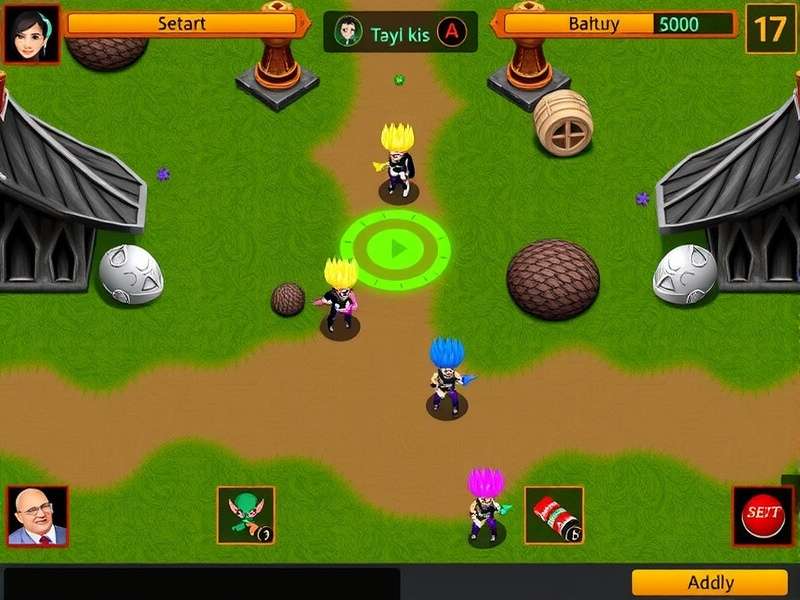
Localization is more than just translation—it’s about adapting a product to fit the cultural, social, and economic context of a region. For Fenugreek Valiant Duel, localization has been a top priority since day one, with the developers working closely with regional consultants, cultural experts, and Indian players to ensure the game resonates with audiences across the country.
The game’s localization efforts can be divided into three key areas: regional language support (covered earlier), cultural adaptations, and regional server differences. Below is a detailed breakdown of these efforts:
1. Cultural Adaptations
Fenugreek Valiant Duel’s cultural adaptations go beyond surface-level references—they’re deeply integrated into the game’s core content, ensuring that players from different regions feel seen and represented.
Character Design & Backstories
Each character’s design, personality, and backstory are inspired by the culture of their respective state. For example:
- Rajput Ranveer (Rajasthan): Dressed in a traditional dhoti-kurta with a red turban and silver jewelry, Ranveer is a proud warrior descended from the Rajput clans of Mewar. His backstory revolves around protecting his village from a mythical beast that threatens to destroy the Amber Fort. His abilities include “Rajput Charge” (a forward dash with his khanda sword) and “Amber Shield” (a defensive barrier inspired by the fort’s walls).
- Tamil Tejas (Tamil Nadu): A blacksmith’s son from Thanjavur, Tejas wields a massive axe forged using techniques passed down from the Chola dynasty. He wears a veshti (traditional Tamil cloth) and a chest plate adorned with Chola-era carvings. His backstory involves avenging his father’s death at the hands of a greedy noble. His abilities include “Chola Smash” (a powerful axe swing) and “Thanjavur Blaze” (a fire attack inspired by the Brihadeeswarar Temple’s sacred fire).
- Bengali Bhavna (West Bengal): A priestess from Kolkata who can control water magic, Bhavna wears a red and white saree with a alta (red dye) on her feet. Her backstory is tied to the Ganges River—she’s tasked with protecting the river from pollution caused by a dark force. Her abilities include “Ganges Wave” (a water blast) and “Alta Heal” (a healing spell using holy water).
- Punjabi Parminder (Punjab): A farmer’s son from Amritsar who can control fire, Parminder wears a turban and a kurta-pajama with a phulkari (embroidered) shawl. His backstory involves using his powers to protect his village’s crops from a drought caused by a demon. His abilities include “Lohri Fire” (a fireball attack) and “Bhangra Blast” (a spinning attack that sets enemies on fire).
These backstories are not only engaging but also educational—many players have shared on social media that they learned about their state’s history and mythology through the game’s characters.
Festival Events & Rewards
Fenugreek Valiant Duel hosts exclusive events and rewards for major Indian festivals, allowing players to celebrate their cultural traditions while gaming. Some of the most popular festival events include:
- Diwali Dhamaka 🪔: Held annually in October/November, this event features a special Diwali-themed map (a decorated Indian village with rangoli, diyas, and firecrackers), exclusive Diwali skins (e.g., “Lakshmi-inspired Healer Skin,” “Rama Warrior Skin”), and double Methi Coin rewards. Players can also participate in a “Diwali Raffle” to win real-world prizes like gold coins and smartphones.
- Holi Rang Utsav 🎨: Held in March, this event transforms the game’s maps into a riot of colors, with players leaving colored powder trails as they move. The event includes a “Rang Duel” mode where players throw colored powder at enemies to slow them down, and exclusive Holi skins (e.g., “Rainbow Ranger Skin,” “Gulal Mage Skin”). Players can also collect “Holi Gulal” to exchange for rewards.
- Navratri Garba Nights 💃: Held in September/October, this event celebrates the nine nights of Navratri with a Garba-themed map (a traditional Gujarati courtyard with dandiya sticks). Players can participate in “Garba Duel” mode, where they dance to Garba music while fighting enemies, and unlock exclusive dandiya-inspired weapons and emotes.
- Pongal Harvest Festival 🌾: Held in January, this Tamil Nadu-focused event features a Pongal-themed map (a village with sugarcane, kolam designs, and Pongal pots). Players can collect “Pongal Rice” to exchange for rewards like a “Pongal Cook Skin” and a “Sugarcane Bow” weapon. The event also includes a “Harvest Quest” where players help a virtual farmer collect crops.
These festival events are highly anticipated by Indian players, with many organizing in-game parties with friends and family to celebrate. According to the game’s 2024 Festival Event Report, the Diwali Dhamaka event in 2023 saw a 300% increase in daily active users and a 250% increase in in-app purchases.
2. Regional Server Differences
To ensure smooth gameplay for players across India (which has varying internet speeds and infrastructure), Fenugreek Valiant Duel operates six regional servers: North (Delhi), South (Bangalore), East (Kolkata), West (Mumbai), Northeast (Guwahati), and Central (Hyderabad). Each server is optimized for the specific region’s internet conditions and player preferences.
Regional servers offer several benefits:
- Lower Latency: Players are matched with others on the same server, reducing lag and ensuring smooth gameplay. This is especially important for PVP modes, where split-second reactions are crucial.
- Regional Tournaments: Each server hosts exclusive regional tournaments, allowing players to compete against others from their area. For example, the Mumbai server hosts the “Mumbai Mega Clash,” while the Chennai server hosts the “Tamil Nadu Trophy.”
- Localized Events: In addition to national festivals, regional servers host events tailored to local traditions. For example, the Kerala server hosts a “Onam Boat Race” event, while the Punjab server hosts a “Baisakhi Festival” event.
- Server-Specific Rewards: Each server has exclusive rewards that reflect the region’s culture. For example, the North server offers a “Delhi Chandni Chowk Skin,” while the South server offers a “Bangalore IT Park Emote.”
Players can switch servers for free, but they can only participate in one regional tournament per month. This encourages players to connect with their local community while still having the flexibility to play with friends from other regions.
3. Partnerships with Indian Brands
To further localize the game and make it more relatable to Indian players, Fenugreek Valiant Duel has partnered with several popular Indian brands for in-game collaborations and promotions. These partnerships have been a win-win, as they allow the game to reach new audiences while giving brands access to the game’s massive player base.
Some notable partnerships include:
- Flipkart: A Diwali collaboration where players could earn Flipkart gift cards by completing in-game tasks. The collaboration also included a “Flipkart Shopping Spree” event, where players could unlock exclusive Flipkart-themed skins and emotes.
- Zomato: A Holi collaboration where players could earn Zomato discount coupons by winning Desi Deathmatches. The collaboration included a “Zomato Food Delivery” emote, where characters would pretend to deliver food while fighting.
- Amul: A Pongal collaboration where players could unlock Amul-themed skins (e.g., a “Butter Cow Warrior Skin”) and collect Amul milk packets in-game to exchange for rewards. The collaboration also included a “Amul Pongal Challenge” where players had to complete tasks related to the festival.
- BookMyShow: A collaboration where players could earn BookMyShow movie tickets by completing Mythic Quests. The collaboration included a “Movie Night” emote, where characters would sit and watch a movie together.
These partnerships have been highly successful, with the Flipkart collaboration alone driving over 500,000 new downloads during Diwali 2023. Players appreciate the real-world value of these collaborations, as they allow them to earn discounts and prizes that they can use in their daily lives.
Download Statistics & Player Base in India
Since its launch in 2022, Fenugreek Valiant Duel has become one of the most downloaded mobile games in India, with a rapidly growing player base. The game’s success can be attributed to its localization efforts, affordable pricing, and engaging gameplay—all of which resonate with Indian players.
Below are the key download and player statistics for Fenugreek Valiant Duel in India (as of October 2025):
1. Total Downloads
As of October 2025, Fenugreek Valiant Duel has crossed 58 million downloads in India, making it the 3rd most downloaded desi mobile game of all time (behind only Ludo King and Free Fire India). The game’s download growth has been consistent, with over 10 million downloads in 2022, 18 million in 2023, 22 million in 2024, and 8 million in the first 10 months of 2025.
The game’s downloads are distributed across India, with the highest concentration in South India (35%), followed by North India (30%), West India (20%), East India (12%), and Northeast India (3%). This distribution reflects the game’s strong regional language support and cultural adaptations, which have helped it gain traction in all parts of the country.
2. Daily Active Users (DAU) & Monthly Active Users (MAU)
Fenugreek Valiant Duel has a highly engaged player base, with a DAU of 7.2 million and a MAU of 18.5 million as of October 2025. The game’s DAU/MAU ratio is 38.9%, which is well above the industry average for mobile games (typically 20-30%). This high engagement rate indicates that players are not just downloading the game but are also returning to play it regularly.
The average daily playtime per user is 1 hour and 25 minutes, with hardcore players spending up to 4-5 hours per day. The game’s engagement is highest during peak hours (7 PM-11 PM IST), when Indian players typically have free time after work or school.
📈 Engagement Insight: The game’s DAU peaks during Indian festivals, with a 200% increase during Diwali and a 150% increase during Holi. This is due to the exclusive festival events and rewards, which encourage players to log in and play more frequently.
3. Demographic Breakdown
Fenugreek Valiant Duel’s player base in India is diverse, with players of all ages and genders. However, there are some notable demographic trends:
- Age: 65% of players are between 15-25 years old (teenagers and young adults), 25% are between 26-40 years old (working professionals), and 10% are under 15 or over 40. The game’s appeal to younger players is due to its fast-paced gameplay and social features, while older players appreciate the cultural elements and educational content.
- Gender: 70% of players are male, 28% are female, and 2% identify as non-binary. The game’s developers have made efforts to increase female representation, adding more female characters and launching campaigns like “Desi Queens of FV Duel” to celebrate female players and streamers.
- Location: 60% of players are from urban areas, while 40% are from rural areas. This is a higher rural penetration rate than most mobile games in India, thanks to the game’s low-spec support and data-saving features.
- Device Type: 85% of players use Android devices, while 15% use iOS devices. This reflects India’s mobile market, where Android devices are more affordable and widely used.
4. Revenue Statistics
Fenugreek Valiant Duel generates revenue primarily through in-app purchases, with a small portion coming from advertising (which is optional and non-intrusive). As of October 2025, the game has generated over ₹850 crore (approximately $102 million) in revenue from Indian players.
The game’s revenue per user (ARPU) in India is ₹14.65, which is higher than the industry average for free-to-play mobile games (₹10-12). This is due to the game’s affordable in-app purchases and high engagement rate—players are more likely to spend money on a game they play regularly.
Player Reviews & Ratings of Fenugreek Valiant Duel
Fenugreek Valiant Duel has received overwhelmingly positive reviews from Indian players, with high ratings on both Google Play and the App Store. The game’s average rating is 4.7/5 on Google Play (based on 2.3 million reviews) and 4.6/5 on the App Store (based on 350,000 reviews)—making it one of the highest-rated mobile games in India.
Players praise the game for its cultural representation, regional language support, engaging gameplay, and low data usage. Below are some common themes from player reviews, along with selected quotes (translated from regional languages where necessary):
1. Positive Reviews
“Finally, a game that represents Tamil culture properly! Tamil Tejas is my favorite character—his backstory about the Chola dynasty is so interesting, and I’ve learned so much about my state’s history while playing. The Tamil language support is perfect, with no awkward translations. The gameplay is smooth even on my budget phone, and the Diwali event rewards were amazing. I’ve been playing for over a year and still can’t get enough!”
“I love how inclusive this game is! As a female player, I appreciate the strong female characters like Bengali Bhavna and Gujarati Gauri. The voice chat with regional slang support is so much fun—I can play with my friends from Punjab and understand their Punjabi phrases thanks to the translation feature. The low data usage is a lifesaver for me since I have a limited data plan. The Desi Pass is totally worth it for the exclusive skins and rewards. Highly recommended for anyone who loves desi games!”
“Rajput Ranveer is the best character ever! His design is exactly like the Rajput warriors I read about in history books, and his abilities are so powerful. The Jaipur Fort map is stunning—you can see the Hawa Mahal and other landmarks clearly. I play with my friends from my village, and we have a squad called ‘Rajasthan Royals.’ The regional tournaments are so exciting, and we won the Rajasthan State Championship last year. The game runs smoothly on my old Android phone, and the data saver mode is great for when I’m not on Wi-Fi. 10/10!”
“The Onam Boat Race event was incredible! I loved collecting the Onam-themed rewards and playing on the Kerala Backwaters map. The Malayalam language support is spot-on—even the character dialogues have Kerala slang that feels natural. My kids love playing this game too because they learn about Indian culture while having fun. The game doesn’t force you to spend money, which is a big plus. I’ve recommended it to all my family and friends, and most of them are now regular players.”
2. Constructive Criticism & Developer Responses
While most reviews are positive, some players have provided constructive criticism, and the game’s developers have been proactive in addressing these issues. Below are some common concerns and how the developers have responded: